
Ops layer map
Front door -> routing -> ops -> reporting
The AI offer stays grounded in operational logic: visible entry points, branching, human review, and reporting that supports the next-step plan.
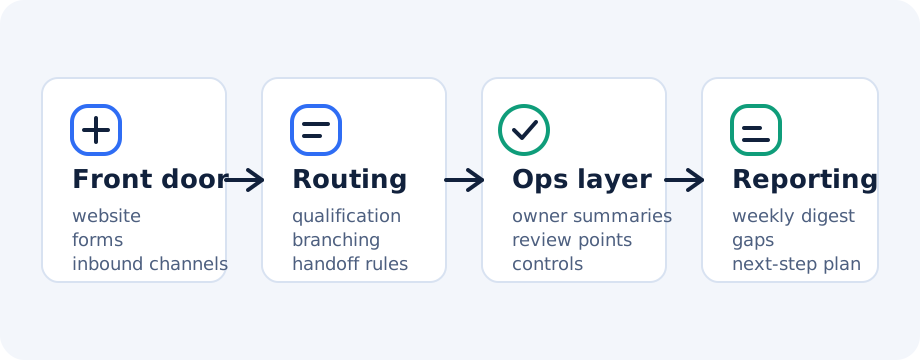
We design practical AI-assisted systems for service businesses that need cleaner intake, clearer routing, visible controls, and human review where trust actually matters. The goal is not spectacle. The goal is predictable execution.
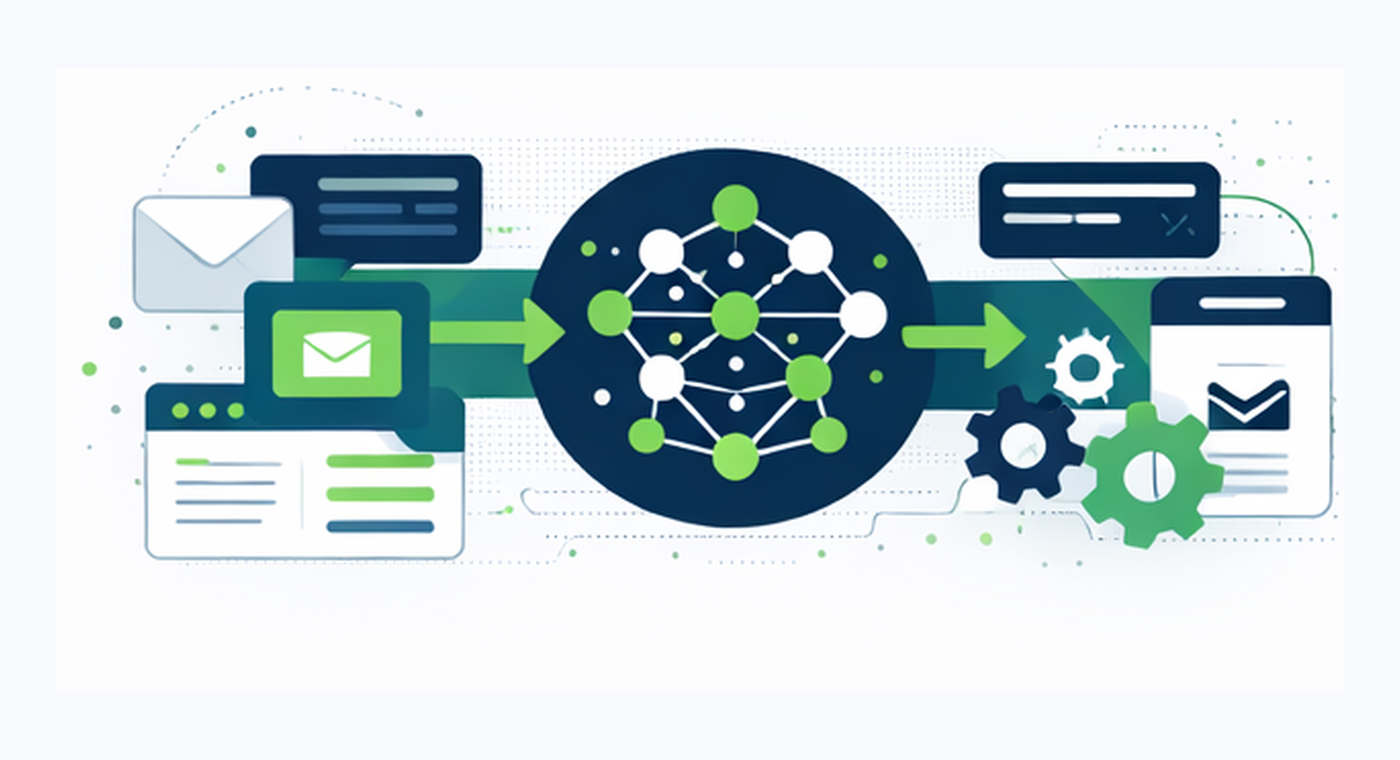
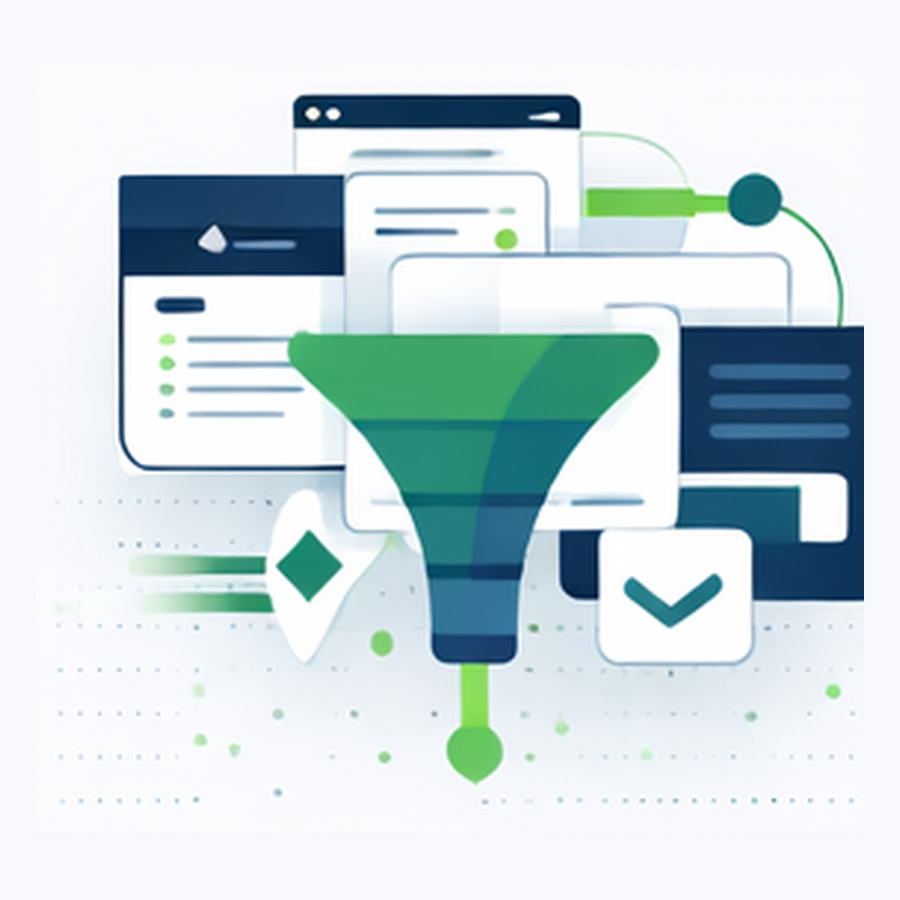 Intake flow
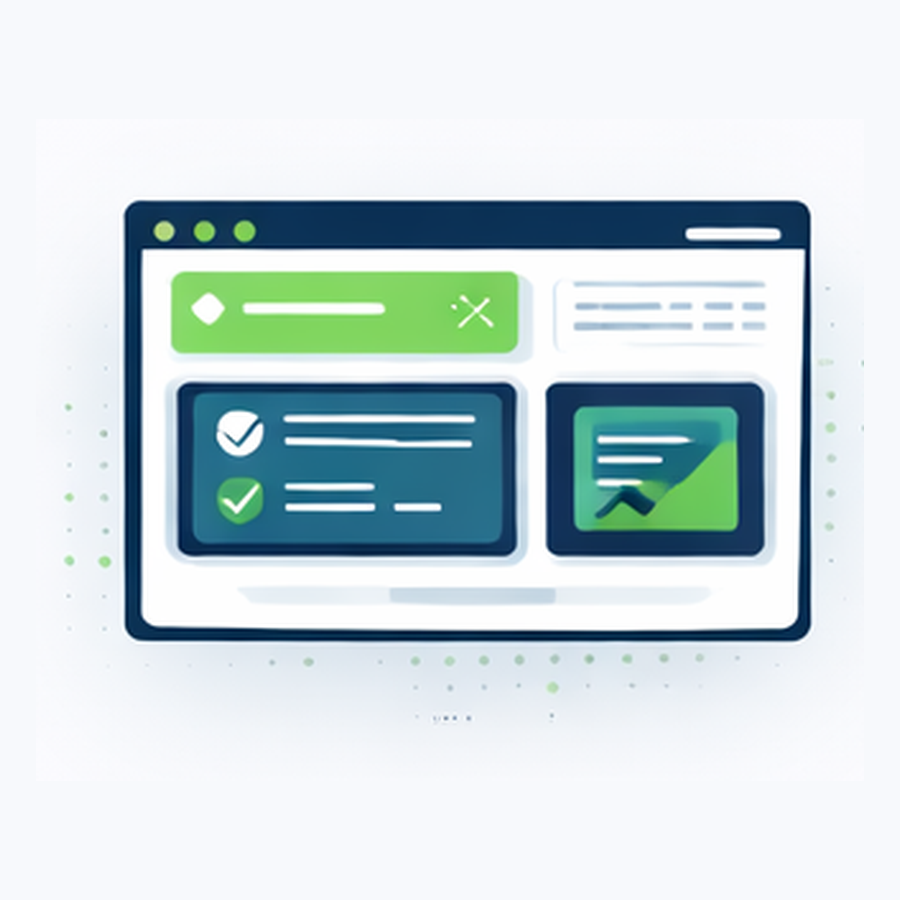 Owner visibility
 Automation controls
The AI offer stays grounded in operational logic: visible entry points, branching, human review, and reporting that supports the next-step plan.
Capture the inquiry, qualify the need, assign the right owner, and deliver a clean summary before the team replies.
Turn missed calls into SMS follow-up, intake completion, and a more reliable route back into the workflow.
Sort inbound messages, prepare draft replies, and escalate edge cases for human review without losing context.
Guide the user toward the right checklist, file request, and next-step expectation before handoff.
Summarize what came in, what got routed where, what stalled, and what the owner should improve next.
Use controlled branching to support routing and consistency without pretending the system replaces the team.
Each branch has a clear owner, stop condition, and next step, so automation improves clarity instead of introducing drift.
We keep decision logs, QA checkpoints, and a record of what changed, so refinement can be based on evidence.
For uncertainty, sensitive topics, or approvals, the system pauses and hands off cleanly instead of guessing.
We use AI where it helps intake, classification, routing, drafts, and reporting. We avoid invisible logic, uncontrolled promises, and theatrical interfaces.
2-4 weeks focused on one workflow end to end: discovery, design, implementation, QA, and review notes included.
Ongoing monitoring, fixes, new branches, and practical refinement based on what users actually do.
We move faster when the owner can explain the current funnel and the moments where work gets stuck.
No. We reduce repeated low-value coordination and make human review easier.
Not always. Sometimes the right first step is a better form, routing logic, or inbox structure.
Yes. The website system is often the cleanest front door for the automation layer.